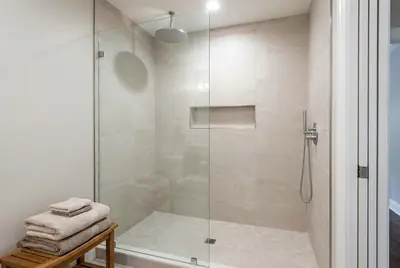
Bathtub To Shower Conversion

Bathtub To Shower Conversion in Tin Pan Alley, Manhattan, New York (NY)

One alcove in Tin Pan Alley is about to earn its keep again. The Manhattan crew handles demo, plumbing, walls and glass.

Price my conversion

Written quote at no cost, one callback, no chasing afterwards.

One alcovethe new shower stands exactly where the tub did
About 3 daysfrom the first cut to the first shower
15 inchesof tub rim you will never climb again
Zero dollarsbefore a written price has your yes on it

Upgrading your bathroom layout for better accessibility

Getting rid of that bulky porcelain basin is a smart way to reclaim your floor space. You will find that switching to a sleek walk-in design makes your daily routine feel much more manageable.

Since you reside in a dense urban environment like Tin Pan Alley, New York, every square inch of your home counts toward your overall sense of ease. Replacing an outdated tub with a modern wet area ensures you gain the utility you actually need.

Why people choose this transition

Many homeowners realize that stepping over a high wall becomes a real struggle as time passes. By removing the obstacle, you open up the room and remove the risk of tripping or falling during your morning wash.

This modification also gives your property a fresher and more polished look that appeals to everyone. Because the median household income in this part of Manhattan is quite high, investing in your infrastructure helps maintain the value of your asset.

The hidden perks of a sleek setup

You might think that losing the soak is a bad move, but most folks rarely use their tubs for anything other than storage. Swapping it for a custom stall lets you install fancy features like rainfall heads or built-in seating for pure tranquility.

FeaturePrimary Benefit
Low entry thresholdSafer access for everyone
Glass enclosureMore light and openness
Non-slip surfacesBetter balance and security
Custom shelvingOrganized toiletries and items

This transition gives you a high degree of luxury without needing a massive overhaul of the plumbing stacks. Furthermore, you will enjoy a space that feels much more airy and refined than it did before.

Planning your transformation in the big city

Starting this project requires a look at your current footprint and the specific layout of your apartment. Given that local ZIP codes often feature historic building codes, you want someone who understands how to work within those tight boundaries.

Besides the physical labor, you need to think about waterproof membranes and drainage flow rates. These technical bits ensure your floors remain protected from moisture damage, which is a massive headache you definitely want to avoid.

How the process actually unfolds

Initially, you should reach out to get a free estimate so you know exactly what is involved. This visit allows a pro to measure your space and check if there are any surprises behind the tiles.

Once the plan is settled, the old unit gets hauled out carefully to protect your nearby fixtures. Then, the team installs the new pan and walls, ensuring everything lines up perfectly for a watertight seal.

Dealing with the reality of renovation

It is honest to say that any construction work involves some noise and dust for a few days. However, the end result is a polished area that makes your home feel brand new again.

You should consider the long term gains of having a space that works for your current lifestyle. Even if you plan to move eventually, a modern wet room is a huge selling point for buyers in the city.

Choosing the right finishes for your space

Selecting the right tiles or wall panels will define the personality of your renovated bathroom. You can go for neutral tones that create a sense of calm, or pick bold patterns to show off your personal style.

Additionally, using high quality hardware keeps your fixtures working smoothly for years on end. High quality materials mean you spend less time on maintenance and more time enjoying your relaxing morning ritual.

Addressing common fears about the project

Some people worry that removing a tub will hurt the resale value of their home. Actually, most modern buyers in the borough prefer the utility of a spacious stall over a dusty bathtub.

Furthermore, you can customize the layout to fit even the weirdest corner shapes found in old buildings. That flexibility is exactly why this change is so popular among busy professionals living in the center of the action.

Finding the right help for the job

You need someone who knows the specific challenges of working in a vertical city. A local crew will understand the elevator constraints and the strict rules about working hours in residential buildings.

We put the figure in writing before any work starts. This transparency helps you stay in control while the actual work happens behind the scenes.

Improving the overall flow of your home

Think about how much more space you will have once that giant tub is gone. You could use that room for a larger vanity or even just keep things minimalist for a cleaner appearance.

Plus, cleaning a glass enclosure is a million times easier than scrubbing porcelain walls covered in soap scum. You save time and effort, which is a massive win for anyone with a busy schedule.

The importance of structural integrity

Water damage is the enemy of any apartment dweller, so you must prioritize proper sealing. A good installation includes a robust pan that directs every drop of water straight into the drain.

You should also verify that the wall materials are moisture resistant to prevent any mold growth. This investment in quality hardware keeps your home in great shape for the long haul.

Final thoughts on your bathroom project

Taking the leap to upgrade your living space is always a rewarding decision. You deserve a setup that matches your needs and adds a bit of harmony to your daily life.

When you are ready to start, just reach out to request your free estimate. A professional will guide you through the process, ensuring everything happens without any unnecessary stress on your part.

Preparing for the work ahead

Before the crew arrives, try to clear out your personal items so they have room to move. This simple step makes the whole operation run faster and keeps your belongings safe from any stray dust.

You might want to cover nearby furniture with plastic sheets as an extra precaution. These small actions show you are ready to improve your environment and make the most of your investment.

Why now is the perfect time

There is never a better moment to tackle those home improvements you have been putting off. You will feel a huge relief once the project is finished and you can finally use your new area.

Contacting a service provider today ensures you get on the schedule sooner rather than later. You are only a few steps away from a bathroom that makes you feel great every single morning.

Understanding the scope of your renovation

Every project is unique, especially when dealing with the charming quirks of older structures. Your contractor will assess the plumbing lines to ensure the transition is seamless and efficient.

They will also handle the disposal of the old materials, so you do not have to worry about the heavy lifting. This comprehensive approach lets you relax while the pros handle the heavy work for you.

Maximizing your available square footage

Think of your bathroom as a sanctuary that should serve your specific needs. By stripping away the clunky components, you open up possibilities for better lighting and storage solutions.

You might even consider adding recessed lighting to highlight the new features of your stall. These details add up to a significantly better experience every time you step into the room.

The benefits of a professional touch

Working with someone who does this every day means you avoid common rookie mistakes. They know the tricks of the trade to ensure the slope of your floor is just right for drainage.

You get peace of mind knowing the work follows all the relevant safety guidelines for your area. This reliability is worth far more than the savings you might get from trying to DIY.

Your next steps for a better bathroom

Do not hesitate to reach out and learn more about your options for this transformation. A quick conversation can clarify any questions you have about materials, costs, and timing.

Everything starts with that initial request for a free quote. You have nothing to lose and a whole new level of comfort to gain by starting this conversation right now.

Why the tub goes in Tin Pan Alley

Count the baths your household actually ran last year. In most homes we visit, the honest number is somewhere between zero and three, and yet every single morning somebody swings a leg over fifteen inches of porcelain rim to stand up and shower inside a fixture built for lying down. The tub charges rent daily and works a few evenings a year.

Nothing dramatic follows from that. Nobody is in danger because a bathtub exists, and if long soaks are part of your week, keep the tub and enjoy it with our blessing. The case for the conversion is plainer: when the tub has become a shower tray with high sides, you are paying, in caution and in cleaning, for a feature you retired years ago.

The swap itself is smaller than most people picture. The supply lines, the drain and the alcove walls are already exactly where a shower wants them, which is why this is a job measured in days. We are not building a new bathroom; we are letting the one you have stop pretending it still gives baths.

Three days, wall to wall in Tin Pan Alley

The same alcove, photographed the way the week actually unfolds. Weather never delays this one; it all happens indoors.

Day one

Out with the tub, in with the rough plumbing

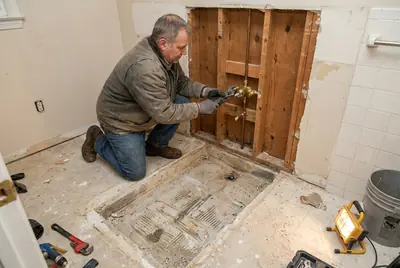
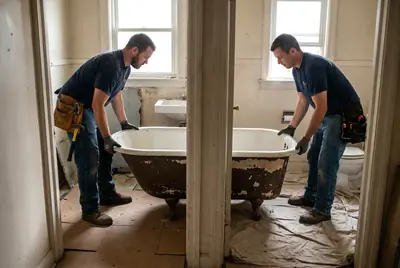
Floors along the hallway get covered, the water goes off for a few hours, and the bathtub is cut free and carried out, tile flange and all. With the alcove stripped, the plumber moves the drain to where the new pan wants it and sets the new valve at shower height. By supper the room is bare, clean and ready.

The old bathtub cut loose and carried out of the alcove
Drain and valve reworked in the open alcove
Day two

The pan goes down, the walls go up

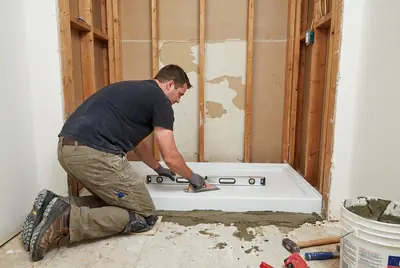
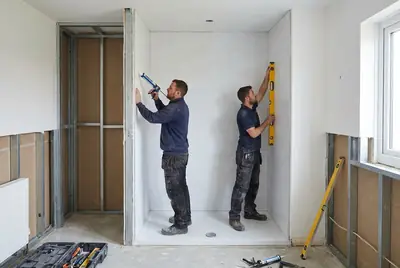
The base arrives first: an acrylic pan set dead level on a mortar bed, or a sloped, waterproofed floor when the plan says curbless. Then the walls close in, either grout-free panels bonded in a single afternoon or backer board ready for tile. Everything from here on is watertight before it is pretty.

A low curb shower pan bedded level in the alcove
Wall panels closing over the waterproofed alcove
Day three

Glass, silicone and the first shower

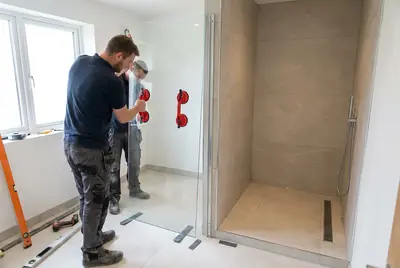
The glass panel or door is drilled, hung and plumbed straight, the trim goes on, and the silicone lines are drawn last. Silicone wants a day to cure, so the first shower usually happens the following morning, which is exactly how we schedule the walkthrough.

The fixed glass panel being set beside the opening
The finished shower standing where the bathtub was

Low curb or no curb in Tin Pan Alley

Both are real showers in the same alcove. The difference is the entry, and what has to happen under it.

What you weighLow curbCurbless
What stands at the entryA tidy threshold about 3 to 4 inches tallNothing. The bathroom floor rolls straight into the shower
Cost, installedThe friendlier bracket, most jobs land hereRoughly a third to a half more, the floor is rebuilt
What the crew rebuildsThe alcove only; the bathroom floor stays shutPart of the bathroom floor, sloped and waterproofed
Water containmentThe curb and glass do the holdingThe slope and a linear drain do the holding
Suits bestStraight swaps on a budget and upstairs bathroomsWheels, walkers, and anyone planning to stay put for decades

Undecided is a fine answer on the form. The site visit settles it with a tape measure, not a sales pitch.

What we do while the bathroom is ours in Tin Pan Alley

The tub leaves whole or in pieces

Removal

The tub leaves whole or in pieces

Cut free, hauled out and off to recycling, with floors and doorways shielded on the way. The loudest hour of the conversion, and it wraps before most jobs have begun.

Drain, trap and valve reset

Plumbing

Drain, trap and valve reset

Tub drains sit at one end; showers drain where the pan says. We move what needs moving and swap the old valve for a pressure-balanced one.

Pan or sloped floor

The base

Pan or sloped floor

A level acrylic pan for most swaps, a mortar-built sloped floor for curbless plans. Either way it is tested with water before anything covers it.

Panels or tile, sealed tight

The walls

Panels or tile, sealed tight

Grout-free panels go up in an afternoon and wipe clean forever. Tile takes longer, costs more, and looks like whatever you can imagine.

Panel or door, hung plumb

The glass

Panel or door, hung plumb

A fixed panel keeps things open and easy to clean; a hinged door closes the warmth in. Both are tempered, both are set dead straight.

Trim, silicone and handover

The finish

Trim, silicone and handover

Shelving, the hand shower, clean caulk lines and a walkthrough. We leave the cure time in writing so the first shower is not a gamble.

What the swap costs in Tin Pan Alley

The jobUsual rangeInside the number
Standard tub-to-shower conversion$3,100 - $5,600Tub out, low curb pan, wall panels, new valve, glass panel.
Curbless conversion$4,900 - $8,800The floor is rebuilt flush and sloped to a linear drain.
Glass: fixed panel or hinged door$450 - $1,400A single panel sits at the low end, a framed door at the top.
Walls: PVC panels or tile$1,100 - $3,900Panels finish in a day; tile adds days and takes any look you want.
Tear-out only$450 - $950The tub gone and the alcove left clean for another trade.
Small job minimumaround $2,400Even the simplest swap books a licensed plumber and a full crew.

Wall condition, drain position and the glass you choose move every line. The visit pins the figure down, and the figure then holds.

What your plumber will find

A bathtub drains at one end through its own trap; most showers want the drain nearer the middle, or along one edge when the plan is curbless. Sometimes the existing trap is close enough to reuse and sometimes it has to travel a foot or two, which means opening a strip of floor. We can usually tell which from the basement or the crawl space during the visit, and the paperwork you sign already names which one you are getting.

Houses older than the seventies like to add a surprise: galvanized supply lines rusted nearly shut, a cast iron trap that crumbles at a touch, or framing that got damp decades ago and kept it quiet. None of it is rare and none of it is ruinous, but it is your call, not ours. When something like that turns up, work pauses, you get photographs and a price for the fix, and nothing is billed until you have said yes to it. A conversion should never be the job where the invoice writes itself.

Asked before the demo bar comes out

QIs losing the only bathtub a resale mistake?

AAgents around Tin Pan Alley repeat one rule: a family house shows better with a tub somewhere in it. If this is your only tub and small children are in your plans, we put that on the table during the visit and you decide with open eyes. If another bathroom keeps its tub, or the buyers you expect are shower people, the argument evaporates.

QHow long do we go without washing?

AThe toilet and sink stay usable every evening, and the water is only off for stretches on day one. The shower itself is ready once the silicone cures, so figure on missing roughly three days of showers at home. Plenty of clients time the job before a weekend away.

QDoes all the old tile come off the walls?

AOn the alcove walls, yes, because the new waterproofing needs to start from the studs, not from forty-year-old grout. Tile outside the alcove stays put, and we cut a clean line where the two meet.

QCan the new shower use the tub drain?

AThe pipe itself is nearly always reusable; the position is the question. A low curb pan can often sit its drain within reach of the old trap. Curbless floors want a relocated or linear drain, and that difference is priced before demo, never discovered after.

QDo we need a permit for the swap?

AA like-for-like fixture swap usually rides on a simple plumbing permit, and moving the drain can add an inspection. We file whatever your jurisdiction wants and fold the cost into the written price.

QWhat if there is rot behind the tub?

AIt happens, mostly around the old tile flange. You get photographs the hour we find it, a firm price for the repair, and the choice to proceed or pause. The framing fix is usually a morning, not a remodel.

Streets and showers near Tin Pan Alley

The map carries the geography; the link lists underneath spell out every town our crews can reach from this one.

Tubs coming out all over Manhattan

Demo day within reach of Tin Pan Alley

One three-day job stands between this bathroom and its best fixture.

Get my free quote