Tired of that old tub just taking up space?
You're probably here because you're dreaming of a more functional, modern bathing area. Imagine stepping into a spacious walk-in shower instead of navigating a high tub wall every single day. This transformation isn't just about looks it's about making your daily routine smoother and safer, especially if you live in the bustling streets of Neighborhood rebranding, New York City. It's about reclaiming space and adding real value to your home.
Why a Bathtub to Shower Conversion Might Be Your Next Best Home Project
So, you're thinking about ditching that bathtub for a snazzy new shower. That's a fantastic idea, especially if you're looking to update your bathroom and make it more practical for everyday living. It's a project that can really change the feel of your bathroom. Think about it, no more awkward climbing over high sides, just a smooth, easy entry into a refreshing space designed for you. This kind of upgrade can really make a difference in how you start and end your day.
Furthermore, this isn't just some fleeting trend. It's a solid home improvement that many homeowners are choosing to make. It addresses common issues with older bathrooms and brings them into the modern age. You'll find that a well-executed conversion adds both a touch of luxury and a whole lot of usability. Plus, when it's time to think about selling your place, potential buyers really appreciate these kinds of thoughtful upgrades. It's a win-win for your current enjoyment and future resale value.
Rethinking Your Bathroom Layout for Better Living
Now, let's get down to brass tacks. What does this change actually involve? Primarily, it's about removing your existing bathtub and replacing it with a custom-designed shower enclosure. This means carefully measuring your space, selecting the right materials, and ensuring everything is installed to perfection. This process allows for a lot of personalization. You get to choose everything from the shower base to the wall surrounds and the showerhead itself.
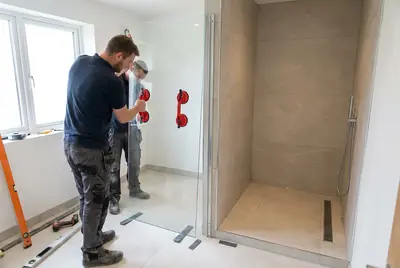
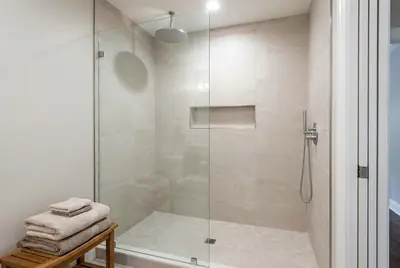
Which means you can tailor the new shower to fit your exact needs and style. Perhaps you envision a sleek, frameless glass enclosure with a rainfall showerhead for a spa-like feel. Or maybe you need something more practical, like a low-profile base and grab bars for enhanced safety. Whatever your vision, this conversion process makes it achievable. It's your chance to design a bathroom that truly works for you and your household.
Boosting Accessibility and Safety in Your Bathroom
Let's be honest, navigating a traditional bathtub can be a challenge for many people. That high wall isn't always easy to step over, and the slippery surfaces inside can be downright hazardous. This is where a bathtub to shower conversion truly shines. By replacing that cumbersome tub with a low-threshold or curbless shower, you dramatically improve accessibility. You're creating a much safer environment for everyone in your household, from younger children to older adults.
This means fewer worries about slips and falls every time someone needs to bathe. Which translates into greater independence for those who might have mobility concerns. Imagine the peace of mind that comes with knowing your bathroom is a safe haven, not a potential hazard zone. It's about making your home a place where everyone can feel secure and at ease. This added safety feature is a huge benefit that often gets overlooked until it's needed.
Maximizing Your Bathroom's Square Footage
You know how bathrooms can sometimes feel a bit cramped, especially in older homes? That bulky bathtub often eats up a significant chunk of valuable floor space. When you opt for a shower conversion, you can often reclaim some of that lost real estate. A well-designed shower can actually feel more open and spacious than a traditional tub, even if it occupies a similar footprint. This is especially true when you incorporate elements like glass enclosures that create an illusion of more room.
Think about what you could do with that extra bit of space. Maybe you've always wanted a wider vanity, a dedicated linen closet, or even just more room to move around freely. This conversion opens up possibilities for a more functional and less cluttered bathroom layout. It's amazing how much of a difference a little bit of strategic redesign can make. You'll wonder why you didn't do it sooner.
Enhancing Your Home's Aesthetic Appeal
Beyond the practical advantages, a bathtub to shower conversion is also a fantastic way to give your bathroom a much-needed style injection. Outdated tubs can really drag down the overall look of a bathroom. Swapping it out for a sleek, modern shower enclosure instantly updates the space, making it feel more contemporary and sophisticated. This is where you can really let your personal style shine through.
Consider the variety of materials and finishes available. You can opt for classic subway tiles, dramatic large-format slabs, or even intricate mosaic patterns for your shower walls. Then there are the options for shower doors, from clear glass to frosted or patterned varieties, and the choices for fixtures like showerheads, faucets, and drain covers. All these elements come together to create a look that is uniquely yours. It's a chance to transform a purely functional space into a true sanctuary.
Tailoring Your Shower to Your Lifestyle
This isn't a one-size-fits-all situation. A bathtub to shower conversion is all about customization. You get to dictate the features and functionalities that best suit your daily routine and preferences. Are you a quick shower person, or do you enjoy long, relaxing soaks under a powerful spray? Do you need multiple showerheads, or is a simple, efficient system all you're after?
For instance, you could choose a bench seat built into the shower, perfect for when you want to sit and relax or have a place to rest grooming products. Or maybe you'd prefer a handheld showerhead on a slide bar, making it easier to rinse off hair or clean the enclosure itself. Some people even opt for built-in shelving or niches to keep all their toiletries organized and within easy reach. It's about creating a shower that feels like it was made just for you.
Understanding the Process: What to Expect
Embarking on a conversion project might seem daunting, but breaking it down makes it much more manageable. The first step is typically an in-home consultation. This is where a professional comes to your home, takes a look at your current bathroom, and discusses your vision for the new shower. They'll assess the space, measure everything carefully, and answer all your questions. This is also when you'll start talking about materials and design options.
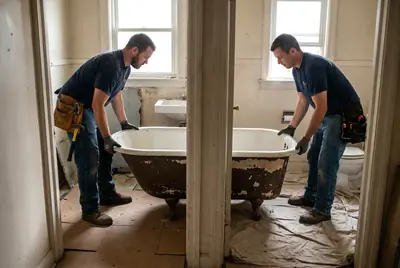
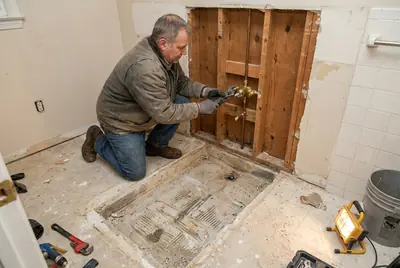
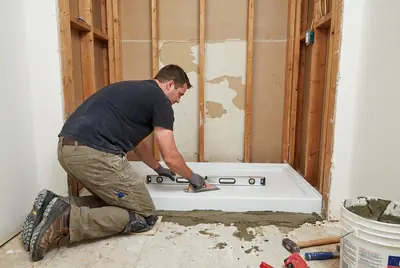
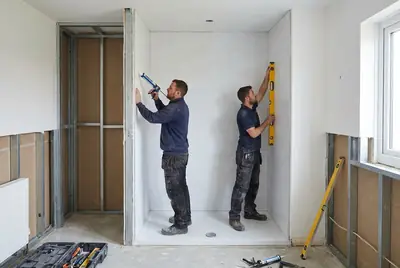
Following the consultation, you'll usually receive a detailed quote outlining the scope of work and the associated costs. Once you approve the quote and select your materials, the installation phase begins. This usually involves removing the old tub, preparing the subfloor and walls, installing the new shower base and enclosure, and connecting the plumbing. The duration of the project can vary depending on the complexity and the specific materials chosen, but it's often completed within a reasonable timeframe.
Choosing the Right Materials for Longevity and Style
The materials you select for your new shower are crucial for both its durability and its overall aesthetic. For shower bases, you'll often see options like acrylic, fiberglass, or solid cultured marble. Acrylic and fiberglass are lightweight and cost-effective, while cultured marble offers a more luxurious and seamless look. For the walls, tile remains a popular choice, offering endless possibilities for color, pattern, and texture.
However, tile does require regular grout maintenance. If you're looking for a lower-maintenance option, consider solid surface wall panels. These are typically made from materials like acrylic or composite, and they offer a seamless, non-porous surface that is incredibly easy to clean. They also come in a wide range of colors and finishes to match any design scheme. The key is to choose materials that are not only beautiful but also resistant to moisture and mildew, ensuring your new shower stays looking great for years to come.
The Importance of Professional Installation
While the DIY spirit is admirable, a bathtub to shower conversion is a project that truly benefits from professional expertise. These conversions involve plumbing, waterproofing, and precise installation of various components. Mistakes in any of these areas can lead to costly repairs down the line, such as water damage or mold growth. A qualified contractor has the knowledge, experience, and tools to ensure the job is done correctly the first time.
They understand building codes, proper sealing techniques, and how to properly integrate the new shower into your existing bathroom's plumbing system. This expertise not only guarantees a beautiful finished product but also ensures the long-term integrity and safety of your bathroom. It's an investment in quality that pays off by avoiding future headaches and expenses. You're not just buying an installation; you're buying peace of mind.
Making the Switch: Considering the Investment
Naturally, you're probably wondering about the cost. The investment for a bathtub to shower conversion can vary widely depending on the size of your bathroom, the complexity of the design, the materials you choose, and the labor rates in your area. Generally speaking, you can expect a range that reflects the scope of work involved. Factors like the type of shower enclosure (framed versus frameless glass), the addition of custom features like benches or multiple showerheads, and the extent of any necessary plumbing adjustments will all influence the final price.
However, it's important to view this as an investment rather than just an expense. The increased safety, improved functionality, and enhanced aesthetic appeal of your bathroom can add significant value to your home. Plus, the cost savings over time from potentially lower water usage with a more efficient shower system can also be a consideration. Getting a detailed, itemized quote from a reputable contractor is the best way to get a clear understanding of the financial commitment involved for your specific project.
Embracing a New Era of Bathroom Convenience
Imagine stepping into your bathroom each morning and being greeted by a bright, spacious, and functional shower. No more wrestling with a stubborn drain or a grimy tub surround. This is the reality that a bathtub to shower conversion can bring to your home in Neighborhood rebranding. It's about transforming a dated or inconvenient space into a modern oasis that enhances your daily life.
This type of renovation is more than just an aesthetic upgrade. It's a practical solution that addresses real-world needs for safety, accessibility, and efficient use of space. So, if you've been contemplating a bathroom refresh, consider the immense benefits of making the switch from a tub to a shower. It's a decision that promises to bring a renewed sense of satisfaction and ease to your home for years to come.
Ready to Explore Your Options?
You've learned a lot about how a bathtub to shower conversion can revitalize your bathroom. You understand the benefits for safety, style, and space. Now, the next logical step is to see what's possible for your unique situation. Getting a professional opinion and a personalized estimate is key.
This is where you can get a clear picture of what your dream shower might look like and what it might cost. It's a no-obligation way to explore the possibilities and get expert advice tailored to your home. Don't let that old tub continue to be a daily inconvenience. Take the plunge and discover how a modern shower can transform your bathroom experience.
Get a FREE QUOTE for your Bathtub To Shower Conversion in Neighborhood rebranding, New York City, New York.