Thinking about a big change in your bathroom? You can totally ditch that old deep basin for a sleek, stand-up spray space, making daily routines way easier. Let's explore how a fresh new wash-up zone can brighten your home and simplify your life, especially if you're in the market for a free estimate.
Why Make the Big Switch
For starters, many folks find themselves dreaming of a different kind of washing setup than what they currently have. Perhaps you're tired of stepping high over a wall just to get into your bathing area, which honestly can be a bit of a tricky maneuver for anyone, no matter their age.
Because of this, making the shift to a walk-in spray unit can truly open up your bathroom, giving you so much more room to move around. Plus, it just looks way more modern and streamlined, which is a major win for any homeowner looking to update their pad.
Furthermore, that old, deep basin often becomes a storage spot for shampoo bottles and rubber duckies, collecting grime and making the whole room feel cluttered. As a result, changing it out for a dedicated standing spray area means less scrubbing on your hands and knees and more time enjoying your sparkling clean bathroom.
Therefore, imagine walking into a bathroom that feels light, airy, and super easy to keep tidy, without all the awkward reaching and bending. This kind of upgrade isn't just about looks, it's about making your daily routine genuinely more pleasant and hassle-free.
Sometimes, homeowners in places like Allegany County worry about resale value, thinking a full bathing setup is essential, but honestly, many buyers these days prefer the convenience and spaciousness of a dedicated standing wash area. In fact, for a smaller community like Fillmore, NY, with its population of 497, practical and low-maintenance solutions often resonate strongly with residents.
Out with the Old, In with the New Feel
To begin with, that traditional, deep-sided fixture can often feel kind of cramped, making your bathroom seem smaller than it is. Consequently, by removing it and putting in a shiny, open washing space, you instantly create a feeling of expansiveness and freedom.
Another point is that a lot of those older washing setups can be a real pain to keep clean, with all their nooks and crannies just waiting to trap soap scum. However, a new standing spray unit, especially one with smooth, modern surfaces, is a breeze to wipe down, saving you valuable time and effort.
Indeed, think about how much easier your life could be without wrestling a shower curtain or worrying about splashes all over the floor from a leaky old tub. This change means you get to enjoy a drier, tidier bathroom every single day, which is a definite plus for anyone.
Moreover, the whole vibe of your bathroom changes when you swap out that dated fixture for something fresh and contemporary. It's like giving your entire washing space a major facelift, making it feel brand new and incredibly inviting.
What Does This "Revamp" Actually Involve
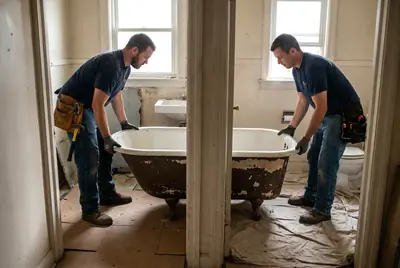
Moving on, you might be wondering what exactly happens when you decide to go from a dip-in fixture to a spray-down zone. Basically, it's a process where we carefully remove your existing bathing setup, making sure not to mess up anything else in your bathroom.
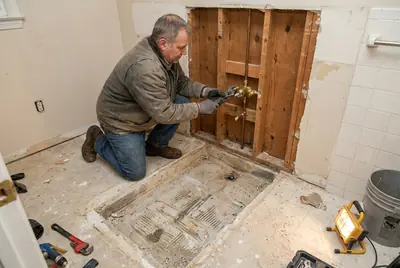
Then, once that old unit is out of the way, we get to work prepping the area for your brand-new standing wash space. This usually involves making sure the plumbing is just right and the floor is level and ready for the new installation.
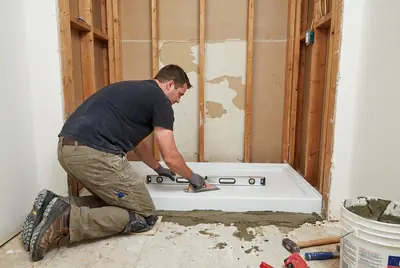
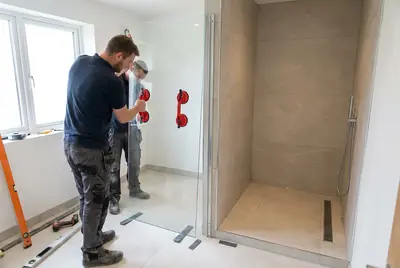
After that, we install the new base for your standing wash unit, which could be a sleek, low-profile pan or something custom-built to fit your space perfectly. This is where the magic really starts to happen, as your new washing area begins to take shape.
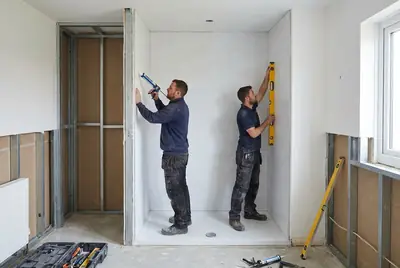
Following this, we put up the wall surrounds, which can be made from all sorts of cool materials like acrylic, tile, or even stone, depending on what look you're going for. Each option offers different levels of durability and different looks, letting you personalize your space.
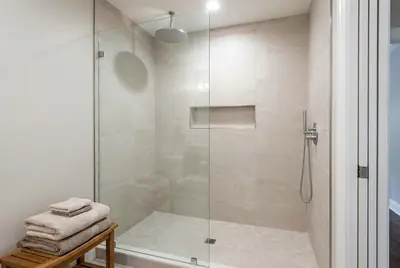
Finally, we add all the finishing touches, like your new showerhead, controls, and any grab bars or shelving you might want. Which means you end up with a complete, ready-to-use standing spray unit that looks amazing and functions perfectly.
Materials and Choices You'll Encounter
First off, when you're thinking about your new washing enclosure, you'll find a bunch of material options for the walls. For instance, acrylic panels are super popular because they are non-porous and incredibly easy to clean, meaning less mold and mildew worries for you.
On the other hand, if you prefer a more luxurious and custom appearance, traditional tile is always a fantastic choice, offering endless patterns and colors to match your style. This lets you create a truly unique bathing spot that reflects your personal taste and adds a touch of sophistication.
Additionally, for the floor of your new standing wash area, you can opt for a slip-resistant pan made from acrylic or composite materials, which are super safe and durable. Therefore, you can step into your spray zone with confidence, knowing you have a secure footing.
Ultimately, the materials you choose will impact not just the look but also how much upkeep your new washing space will need, so it's good to consider what works best for your lifestyle. We can walk you through all the pros and cons, ensuring you make a choice you'll be happy with for years.
Picking the Right Team for Your Wash-Up Zone Upgrade
Obviously, when you're undertaking a major home improvement like switching your old deep basin for a stand-up spray unit, you want to make sure you pick the right crew for the job. You're not just hiring someone to rip out a fixture, you're looking for someone to create a whole new experience.
Consequently, finding local pros who really know their stuff is super important, especially in a tight-knit community like ours. You want a team that understands the specific needs and expectations of homeowners in the 14735 ZIP code, because local knowledge often means better service.
Therefore, look for folks who have a solid track record of happy customers and who aren't afraid to show off their previous work. Seeing is believing, right? And seeing their craftsmanship helps you feel confident in your decision.
Furthermore, a good team will listen to your ideas, answer all your questions, and offer honest advice, even if it's not what you initially thought. This kind of open communication ensures that your vision for your new washing space truly comes to life, exactly as you imagined.
Ultimately, it's all about trust and feeling good about the people working in your home, especially since your home in Fillmore, NY, which boasts a median household income of $37,134, is a significant investment. You definitely deserve a team that treats your place with respect and care.
What to Ask Your Potential Project Crew
Before you commit to anything, it's always a smart move to have a list of questions ready for any potential crew you're considering. For instance, you should ask about their experience with projects similar to transforming your bathing area.
Additionally, inquire about their timeline for completing the job, because nobody wants a bathroom project that drags on forever, leaving your space unusable. Knowing the estimated duration helps you plan your life around the renovation with fewer surprises.
Another crucial question involves understanding their warranty or guarantee on their work, which gives you peace of mind that they stand behind their craftsmanship. This ensures that if any issues pop up down the line, you're covered and they'll make it right.
Moreover, don't forget to ask if they carry proper insurance, protecting both you and them in case of any unexpected accidents during the project. This is a non-negotiable for anyone working in your home, so don't skip this important step.
Plus, always ask for a detailed, written estimate that breaks down all the costs involved, so there are no hidden fees or surprises popping up later on. This transparency is key to building trust and ensuring you know exactly what you're paying for.
Things to Think About Before You Dive In
Alright, so you're getting excited about the idea of transforming your bathing area into a sleek, stand-up spray unit, and that's awesome. But before you jump headfirst, there are a few practical things you should probably consider to make sure everything goes smoothly.
For example, think about your daily routine and how you currently use your bathroom. Will a standing spray unit meet all your family's needs, or do you sometimes need a deep basin for washing pets or giving little ones a quick splash?
More importantly, consider your budget carefully, because while a new washing space can be a fantastic investment, costs can vary widely depending on materials and how complex the job is. Having a clear budget in mind helps us guide you to the best options without any sticker shock.
Also, don't forget about the potential disruption to your home during the renovation process. Even though we work efficiently, there will be some noise and temporary inconvenience, which is just part of any home improvement project.
However, the payoff is absolutely worth it, giving you a beautiful, updated bathroom that you'll enjoy for years to come and potentially increasing your home's appeal. It's a temporary inconvenience for a lasting positive change.
Cost and Time Considerations
Naturally, one of the biggest questions on everyone's mind is, "How much will this whole thing cost?" Well, the price tag for swapping out your old deep basin for a stand-up spray unit can swing quite a bit depending on what you choose.
For instance, opting for a simple acrylic surround and a basic showerhead will definetly be more budget-friendly than going all out with custom tiles and fancy fixtures. Your choices directly influence the final investment you make in your home.
Additionally, the complexity of the plumbing work needed can also play a role in the overall cost and timeline. Sometimes, older homes require a bit more attention to bring everything up to modern standards, which is totally normal.
Regardless of your choices, getting a detailed, free estimate from us is the very best way to understand the specific costs for your project in your home. This way, you get a clear picture upfront with no guesswork involved.
Regarding time, most straightforward transformations from a dip-in fixture to a spray-down zone can be completed relatively quickly, often within a few days to a week, depending on the specifics. Consequently, you won't be without your main washing area for too long, allowing you to get back to your routine swiftly.
Ready for a Fresh Start
Ultimately, making the decision to upgrade your washing space is a big one, but it's often one that brings a ton of satisfaction and a fresh new look to your home. You're not just changing a fixture; you're improving your daily life and the functionality of your bathroom.
So, if you're tired of tripping over that old, deep basin or just ready for a more modern, open washing environment, now might be the perfect time to explore your options. This could be the home improvement project you've been waiting for.
Furthermore, imagine enjoying a spacious, easy-to-clean spray zone every single day, making your mornings smoother and your evenings more relaxing. It's a definite upgrade that offers genuine convenience and a touch of modern refinement.
Therefore, we encourage you to take the next step and find out exactly what's possible for your home. You've got nothing to lose by exploring the possibilities, especially when it comes to a significant home upgrade.
To help you out, we offer a completely free, no-obligation estimate right there at your house. That way, you can get all your questions answered and see what kind of transformation is realistic for your bathroom without any pressure.
Just reach out and we'll set up a time to come by and chat about your vision for a brand-new, standing washing area. We're here to help make your bathroom dreams a reality, giving you a space you'll truly love.