Transform Your Bathroom Space Into A Modern Oasis
Are you tired of tripping over that high porcelain wall every single morning just to wash yourself? Well, upgrading your old bathing stall can totally change your daily routine for the better. This lets you step right into a sleek washing area without any awkward climbing.
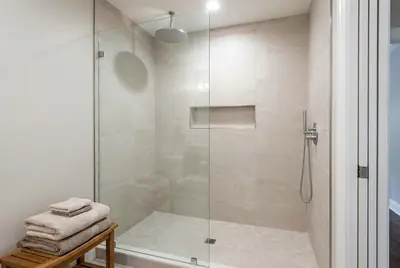
Now, replacing that heavy tub with an open glass enclosure gives your bathroom a gorgeous new look. Consequently, you will enjoy a much more spacious feel that opens up the entire room. Plus, stepping inside becomes totally safe and super easy for everyone in your household.
Before doing anything, you need to understand how this major bathroom overhaul works from start to finish. This process involves ripping out your old heavy basin and installing a brand-new custom base. Furthermore, your local contractor builds beautiful tile walls or puts in durable acrylic panels.
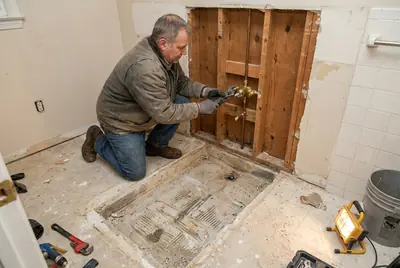
Usually, taking out the old fixture exposes hidden plumbing issues that need fixing right away. Because of this, hiring a seasoned crew saves you from dealing with unexpected water leaks later. They make sure everything connects properly behind the walls so you never worry about mold.
Beyond safety, removing that unused soaking tub instantly boosts your home value on the real estate market. Potential buyers love seeing updated walk-in washing zones instead of outdated bathtubs that take up space. That means your investment pays off big time if you ever decide to sell.
Choosing the right materials keeps your new washing enclosure looking brand new for many years. Acrylic bases resist stains very well and require almost zero scrubbing to stay shiny. Meanwhile, glass doors let natural light flood your shower space and make the room brighter.
Designing this new washing layout requires thinking about where your water fixtures should go. Your installer can move the shower head higher up or add handy built-in shelves. This ensures all your soap and shampoo bottles stay organized without cluttering the floor.
Planning your project means finding trustworthy local help right here in Culberson County, Texas, USA where folks appreciate honest craftsmanship. Since this unique region spans across ZIP codes like 79838 and covers a massive stretch of West Texas land, finding reliable workers matters. Even though the local population sits at zero in certain remote corners and the median household income varies, homeowners still deserve top-tier service. Therefore, reaching out to dependable trade pros ensures your home updates go off without a single hitch.
Understanding The Complete Renovation Process
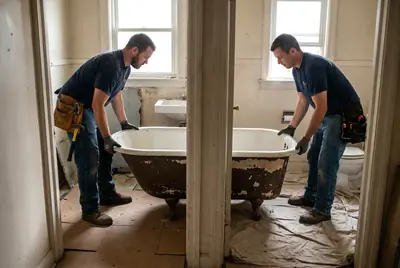
First off, demolition day brings a lot of noise and excitement to your quiet home environment. Workers carefully smash that old porcelain basin into manageable pieces and haul it away. This lets them inspect the subfloor for any sneaky water damage or wood rot.
Next up, fixing the subfloor provides a solid foundation for your brand-new low-profile base. If the wood feels spongy, the crew replaces those damaged boards before proceeding any further. Ignoring this crucial step causes major structural headaches down the road.
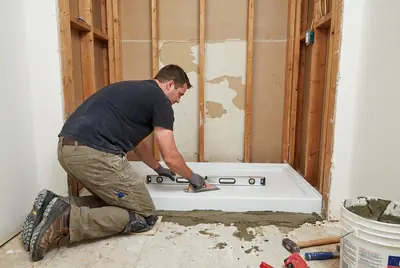
Following that prep work, plumbers reroute the drain lines to fit the brand-new shower pan configuration. Standard tubs use an end drain, but walk-in bases usually need a center drain. Thus, precise measurements prevent standing water puddles from forming on your brand-new floor.
Waterproofing remains the most vital part of the entire installation sequence behind the scenes. Contractors apply heavy-duty waterproof membranes across the walls and floor to block moisture completely. This stops mold spores from growing inside your drywall and keeps your family healthy.
| Renovation Step |
What Happens |
Main Benefit |
| Demo |
Old tub removal |
Clears the space |
| Plumbing |
Drain adjustment |
Proper water flow |
| Waterproofing |
Sealing walls |
Prevents water damage |
| Finishing |
Tile and glass setup |
Stunning visual appeal |
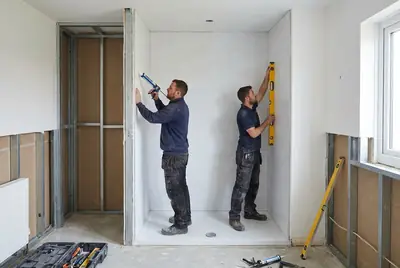
Transitioning to tile work or wall panels happens once the waterproof layer dries completely. Skilled setters carefully measure each piece to fit your specific bathroom dimensions like a glove. Consequently, your enclosure looks professionally tailored and exceptionally neat.
Grouting those tiles takes a steady hand and plenty of patience from the installation crew. They seal the grout lines tightly to repel soap scum and hard water deposits easily. On top of that, you get a surface that wipes clean with a damp cloth.
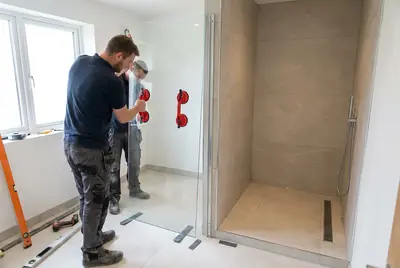
Hanging the glass door is the grand finale that brings the whole project together. Frameless glass options make small bathrooms look massive by bouncing light around the room. Meanwhile, heavy-duty hinges keep the door swinging smoothly for decades of daily use.
Testing the water pressure and checking for leaks wraps up the physical labor on site. The technician runs the shower for several minutes while inspecting every single connection point closely. This guarantees your brand-new washing station works perfectly before anyone uses it.
Comparing Your Old Bathtub To A Modern Shower
Many homeowners hold onto their old tubs for sentimental reasons even though nobody ever takes baths. However, keeping a massive porcelain block wastes precious square footage in a cramped bathroom. Swapping it out gives you back your floor space and improves mobility.
| Feature |
Old Bathtub |
New Walk-in Shower |
| Accessibility |
High step-over wall |
Zero-threshold entry |
| Cleaning Time |
Hours of scrubbing |
Minutes of wiping |
| Space Feel |
Cramped and dark |
Open and bright |
| Safety Risk |
Slippery bottom |
Textured anti-slip floor |
Standing inside a cramped tub while trying to rinse off feels awkward and entirely frustrating. Conversely, a wide walk-in enclosure lets you move around freely without banging your elbows. That extra elbow room makes your morning routine feel luxurious and relaxing.
Slipping on a wet porcelain surface poses a serious injury risk for older adults and children alike. Modern shower bases feature textured non-slip bottoms that grip your bare feet securely. Therefore, you can wash up with total peace of mind every single day.
Scrubbing soap rings off a deep tub strains your back and ruins your weekend chores. Modern acrylic surrounds and glass shields repel grime so you spend less time cleaning. This frees up your schedule for activities you actually enjoy doing with your family.
Water usage is another factor where modern showers beat old soaking tubs by a landslide. Taking a bath requires filling a massive basin with dozens of gallons of hot water. Meanwhile, efficient shower heads deliver a powerful spray while using far less liquid.
Styling options for walk-in showers let you match your exact personal taste and home decor. You can pick bold black hardware, classic brushed nickel, or warm brass fixtures effortlessly. This level of customization simply is not possible with a standard builder-grade bathtub.
Resale value also shifts dramatically in your favor once you ditch the tub for a shower. Most modern home buyers prefer walk-in units because their lifestyles are fast-paced and busy. That means your house stands out instantly in competitive housing markets.
Why Professional Installation Matters
Attempting a DIY bathroom makeover sounds fun until you hit your first major plumbing disaster. Hidden pipes and complex drainage slopes require years of hands-on experience to master correctly. Hiring local professionals ensures the job gets done right the first time around.
Incorrect drainage angles cause water to pool on your bathroom floor instead of flowing down. Water pooling in unwanted areas leads to rotting subfloors and expensive structural repairs later on. Licensed contractors know local building codes inside and out to prevent these nightmares.
Specialized tools are required to cut heavy glass panels and waterproof shower walls without errors. Buying these expensive tools yourself costs way more than simply hiring a crew with their own gear. Saving money on equipment rental lets you invest in higher-quality finishing materials instead.
Warranties give you extra protection when something unexpected goes wrong with your new installation. Reputable local contractors stand behind their labor with solid workmanship guarantees for your protection. If a leak pops up months later, they come back and fix it for free.
Time management is another huge perk of leaving this heavy labor to the pros. A DIY project drags on for months while you juggle your regular job and weekend errands. Professional crews knock out the entire transformation in just a few days of focused work.
Keeping your sanity intact during home renovations is priceless when you have a busy family schedule. Contractors handle the heavy lifting, the debris cleanup, and the messy disposal tasks seamlessly. You simply watch your outdated bathroom morph into a stunning masterpiece without lifting a finger.
Safety protocols during demolition protect your home from accidental damage and dangerous dust clouds. Workers seal off the bathroom area with plastic barriers to keep construction debris out of your bedrooms. This thoughtful approach keeps your living space clean and livable throughout the entire process.
Taking The Next Step For Your Home
Upgrading your outdated bathroom brings unmatched joy and daily convenience to your household. You no longer have to struggle with an awkward tub ledge just to get clean. Instead, you enjoy a safe and beautiful washing space every single morning.
Reaching out to local trade professionals makes starting this exciting journey remarkably simple and straightforward. You just need to request a complimentary project estimate to discuss your specific design ideas. This lets you explore different layout options without spending any money upfront.
We put the figure in writing before any work starts. Experienced contractors visit your home to measure the space and give you an honest breakdown. They explain every cost item clearly so you never encounter surprise fees later.
Planning your budget becomes much easier once you have concrete numbers from a trusted local expert. You can choose financing plans or pay as you go depending on your financial preferences. Either way, investing in your home improves your quality of life tremendously.
Contacting your local service provider today gets your project moving forward without any unnecessary delays. Friendly representatives answer all your questions patiently and schedule your consultation at your convenience. Seize this opportunity to modernize your living space and request your free quote right now.