You're thinking about revamping your bathroom, aren't you? A bathtub to shower conversion might be the perfect solution to inject some new life into your space, offering both style and practicality.
Transforming Your Bathroom with a Shower Upgrade
So, you've got this old tub just sitting there, taking up valuable real estate. Maybe it's a relic from a bygone era, or perhaps it's just not fitting your lifestyle anymore. Whatever the reason, considering a switch to a more modern, accessible shower can really change the game for your bathroom. This isn't just about aesthetics, though that's a big part of it. It's about creating a functional space that works for you, day in and day out.
Now, picture this: instead of a clunky, often hard-to-climb-into bathtub, you have a sleek, spacious shower. This kind of transformation can do wonders for the overall feel of your bathroom. It can make a small bathroom feel much larger and more open. Plus, it often adds a touch of modern sophistication that can boost your home's appeal.
Why Make the Switch to a Shower Space
Many folks find that they simply don't use their bathtubs as much as they thought they would. Life gets busy, and a quick, invigorating shower often fits better into a packed schedule than a leisurely soak. This is where the appeal of a tub to shower conversion really shines through. It's about tailoring your bathroom to your actual needs and daily routines, not just what might have been popular decades ago.
Furthermore, think about accessibility. For many individuals, navigating a high bathtub wall can become a challenge over time. A well-designed shower, especially one with a low or even curbless entry, can make a significant difference in ease of use and safety. This is a benefit that grows in importance as we age or if mobility becomes a concern, allowing you to maintain independence and a sense of ease in your own home.
The Benefits of a Modern Shower Installation
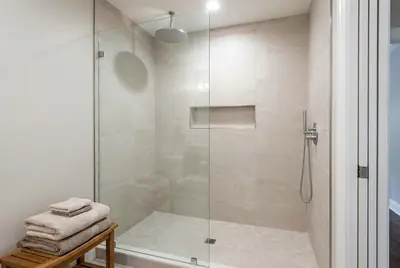
When you opt for a shower conversion, you're not just getting rid of a tub. You're opening the door to a world of customization and enhanced functionality. Imagine having built-in shelving for all your toiletries, a rainfall showerhead that feels like a spa treatment, or even a bench for a more relaxing shower experience. These aren't just fancy extras; they are thoughtful additions that can make your daily routine more enjoyable.
On top of that, a modern shower can be a real energy and water saver. Older tubs often require a significant amount of water to fill. A new shower, designed with efficiency in mind, can drastically cut down on your water usage. This is good for your utility bills and even better for the environment. It's a win-win situation that feels good on multiple levels.
Understanding the Conversion Process
Embarking on a bathtub to shower conversion might seem like a daunting project, but breaking it down makes it much more manageable. The initial step usually involves assessing your current bathroom setup and discussing your vision for the new shower. This is where a professional who understands the nuances of these transformations can really guide you. They'll help you consider everything from the size and layout to the materials and fixtures.
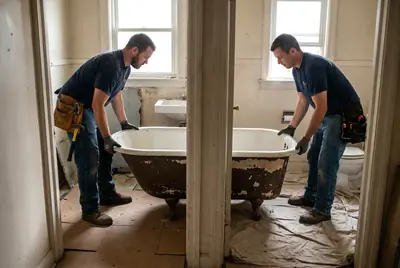
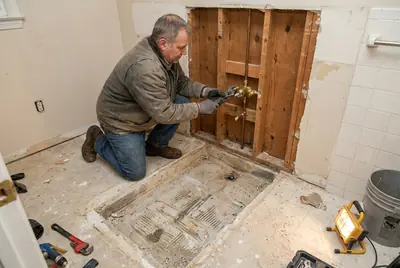
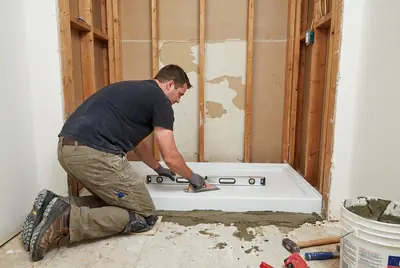
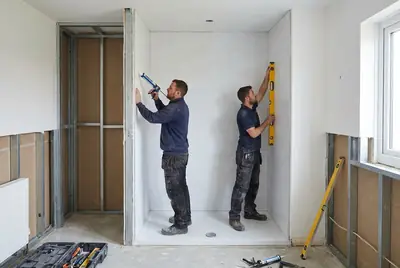
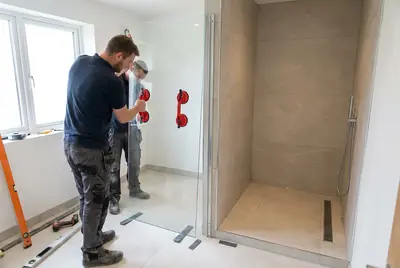
After the planning phase, the actual work begins. This typically involves carefully removing the old bathtub and any surrounding tile or enclosure. Then, the space is prepared for the new shower installation, which includes plumbing adjustments if necessary, waterproofing, and the installation of the shower base or pan. Finally, the walls are finished with your chosen materials, like tile or solid panels, and the shower door or curtain rod is put in place.
Choosing the Right Materials for Your New Shower
The materials you select for your shower conversion play a huge role in both its appearance and its longevity. You've got a whole spectrum of options to consider, each with its own set of pros and cons. For instance, ceramic or porcelain tiles are incredibly popular, offering endless design possibilities with different colors, patterns, and sizes. They can create a classic, timeless look or a bold, modern statement.
However, tile does require grout, which can sometimes be a bit of a pain to keep clean and can potentially lead to mildew issues if not sealed properly. Alternatively, many homeowners are leaning towards solid surface panels, like acrylic or solid stone. These often provide a more seamless look, reducing the number of grout lines and making cleaning a breeze. They can also be quite durable and offer a very sleek, contemporary aesthetic.
Fixtures and Features: Elevating Your Shower Experience
Beyond the walls and floors, the fixtures you choose can truly define your shower experience. Think about the showerhead itself. Are you dreaming of a powerful, massaging spray, or perhaps a gentle, wide-coverage rainfall experience? There are options for every preference, and many systems allow for multiple types of spray patterns.
Consider also the controls. Would you prefer a simple, single-handle faucet, or a more sophisticated dual-handle system for precise temperature and flow control? And don't forget about seating. A built-in shower seat can add a touch of luxury and make your shower much more accessible and relaxing, especially for longer, more indulgent washes. These details might seem small, but they contribute significantly to the overall enjoyment and usability of your new shower space.
The Accessibility Advantage
One of the most compelling reasons people opt for a bathtub to shower conversion is the significant improvement in accessibility. Bathtubs, with their high walls, can be a real hurdle for some individuals. Stepping over that wall can be precarious, increasing the risk of slips and falls. A modern shower, especially one designed with a low threshold or even a curbless entry, makes entering and exiting the shower much safer and easier.
This enhanced safety and ease of use can be a game-changer, particularly for older adults or those with mobility challenges. It allows them to maintain their independence and dignity in their own homes, ensuring their daily routines can be carried out with less difficulty and more confidence. The peace of mind this provides for both the individual and their family is truly invaluable.
Water Efficiency and Environmental Impact
Beyond the immediate personal benefits, a shower conversion can also have a positive impact on your household's water consumption and, consequently, the environment. Traditional bathtubs often require a substantial amount of water to fill adequately for a bath. In contrast, modern shower systems are designed with water efficiency at their core.
With features like low-flow showerheads and precise temperature controls, you can enjoy a refreshing shower experience while using significantly less water. This reduction in water usage not only helps conserve a precious resource but also translates into noticeable savings on your monthly utility bills. It's a responsible choice that aligns with growing environmental awareness and provides a tangible financial benefit.
Enhancing Your Home's Value
When you're thinking about home improvements, it's natural to consider how they'll impact your property's value. A well-executed bathtub to shower conversion can be a significant draw for potential buyers. In today's market, many homeowners and renters are prioritizing modern, functional bathrooms, and a stylish, accessible shower is often seen as a major upgrade.
This type of renovation can make your home more attractive and desirable, potentially leading to a quicker sale and a better return on your investment. It's a practical improvement that appeals to a broad range of buyers, from young families to those looking to downsize. It signals that your home is well-maintained and updated with current living needs in mind.
The Importance of Professional Installation
While the idea of a DIY bathroom project might be tempting, a bathtub to shower conversion is typically a job best left to the pros. These projects involve plumbing, waterproofing, and structural considerations that, if not handled correctly, can lead to serious and costly problems down the line. Issues like water damage, mold growth, and improper drainage are all potential risks of an amateur installation.
A qualified contractor brings the necessary expertise, tools, and experience to ensure the job is done right the first time. They understand local building codes, can properly prepare the subfloor and walls for water resistance, and will install all components to ensure optimal function and longevity. This professional approach not only guarantees a superior finished product but also provides you with the peace of mind that your investment is secure.
Working with Local Expertise in the Broadway Avenue Historic District
When you're ready to make this exciting change to your bathroom, finding the right local professionals is key. For those residing in or near the historic Broadway Avenue neighborhood of Detroit, Michigan, seeking out a contractor who understands the unique character and potential challenges of older homes in areas like ZIP codes, , and is highly advisable. Working with someone familiar with the local building styles and common issues in older Detroit residences can ensure a smoother process and a result that complements your home's existing architecture.
The population of this particular area might be zero, but the surrounding Detroit neighborhoods are vibrant, and the need for updated, functional bathrooms is widespread across the city. A skilled contractor will be able to assess your specific situation, whether it's a charming older home or a newer build, and provide tailored solutions. They'll be able to discuss material options, fixture choices, and design possibilities that fit your budget and your aesthetic preferences, all while ensuring the structural integrity and waterproof integrity of your bathroom.
What to Expect During a Free Estimate
When you reach out for a free quote on a bathtub to shower conversion, you can expect a thorough consultation. A professional will likely visit your home to examine your current bathroom. They'll measure the space, inspect the existing plumbing, and discuss your vision in detail. This is your opportunity to ask questions, share your ideas about the desired look and functionality, and voice any concerns you might have.
During this visit, they'll also be able to provide recommendations on materials, shower types, and any potential structural considerations specific to your home. Based on this assessment and your preferences, they will then prepare a detailed estimate outlining the scope of work, the materials to be used, and the overall cost. This transparent approach ensures you have a clear understanding of the project before committing, allowing you to make an informed decision.
Making Your Bathroom Dreams a Reality
The prospect of a bathroom renovation, especially a tub to shower conversion, can be incredibly exciting. It's a chance to update a vital part of your home, making it more functional, stylish, and suited to your lifestyle. Whether you're seeking enhanced accessibility, a more modern aesthetic, or simply a more efficient use of your bathroom space, this type of renovation offers a wealth of benefits.
By partnering with experienced local professionals, you can navigate the process with confidence. They'll guide you through material selections, fixture choices, and design considerations, ensuring the final result not only meets but exceeds your expectations. Imagine stepping into your newly transformed shower each day, enjoying the improved look, feel, and functionality. It's a tangible upgrade that can bring daily satisfaction and add lasting value to your home in the heart of Michigan. Let's turn that underused tub into the shower you've always wanted.